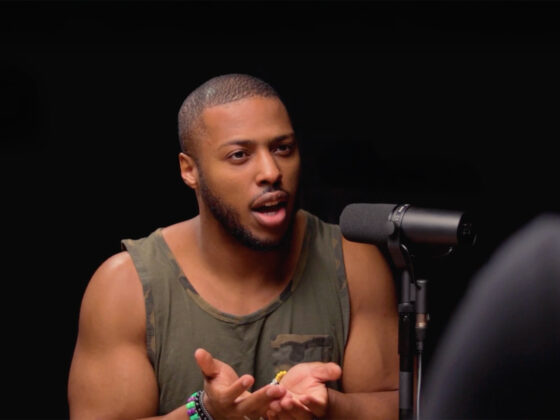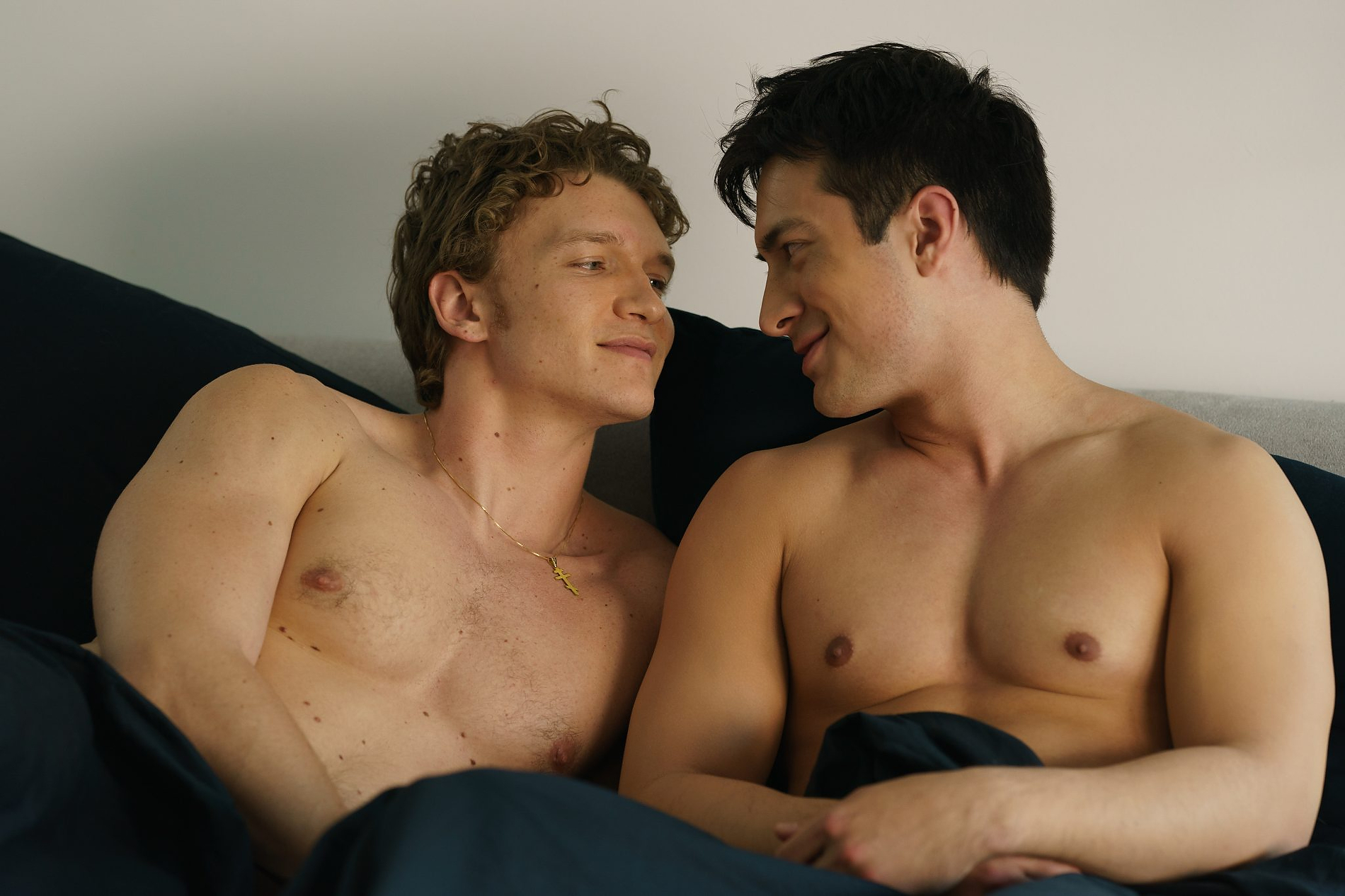
Since its release, Heated Rivalry reactions have been everywhere. Flooding social media. Fueling think pieces. Sparking reaction videos, fashion moments, and deeply personal conversations far beyond television. But what’s happening around this show goes well beyond virality.
Spoiler alert! If you haven't yet watched it, make sure you do so before reading this article.
This isn’t just another hit series. Heated Rivalry has become a cultural moment — one that’s quietly, but unmistakably, reshaping how we talk about masculinity, queerness, intimacy, and emotional intelligence. And the fact that it’s happening right now, during one of the most polarized and emotionally volatile periods in recent history, makes its impact even more significant.
Related: Here’s your January entertainment guide: On-screen, on-stage and more
ADVERTISEMENT |
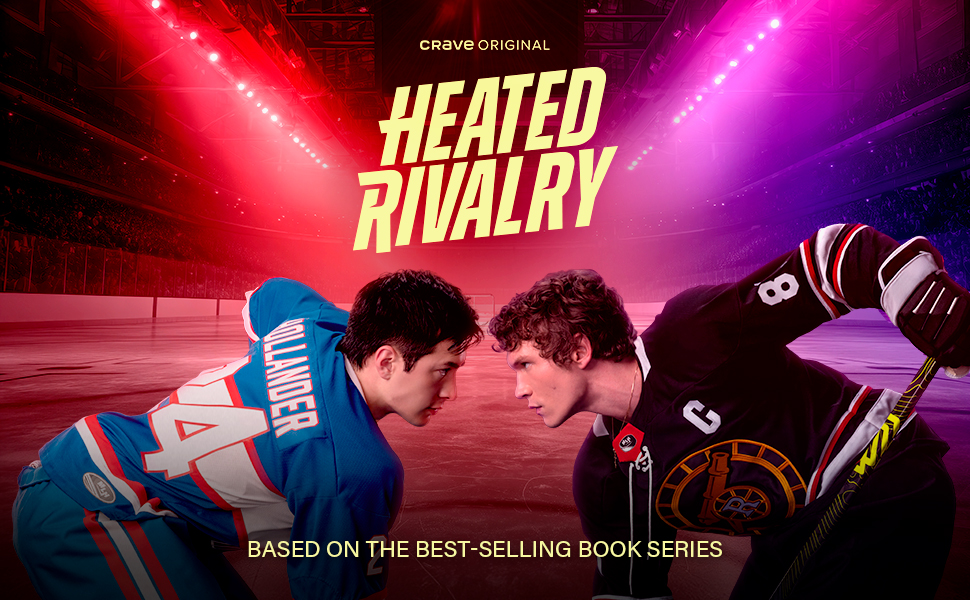
What’s even more powerful? This is a Canadian story.
Shot in Toronto. Built around recognizable Canadian locations. Led by a mostly Canadian cast and crew. Originally developed for a Canadian network before being picked up by HBO Max — and now renewed for two additional seasons. This isn’t a diluted export or a reworked version of someone else’s vision. It’s a homegrown success that refused to compromise its voice, even when other networks tried to reshape it.
Thank goodness it didn’t.
“Heated Rivalry represents the very best of what Canadian creators can deliver…”
Justin Stockman, VP Content and Programming, Bell Media
“Heated Rivalry represents the very best of what Canadian creators can deliver: rich characters, compelling drama, and a world audiences want to live in,” said Justin Stockman, VP Content and Programming, Bell Media. “The response has been extraordinary, and seeing the series now travelling internationally is an incredible milestone.”
ADVERTISEMENT |
Yes, the show is sexy. Yes, it’s bold. And yes, the chemistry between the leads is undeniable — particularly Hudson Williams, whose portrayal of Shane Hollander has catapulted him from rising actor to global breakout, with runway appearances, major brand attention, and millions of followers seemingly overnight.
But reducing Heated Rivalry to sex scenes and hot men completely misses the point.
What sets the show apart is its restraint — and its care.
The parents aren’t villains.
The teammates aren’t caricatures.
The exes aren’t jealous tropes.
The friends show up — imperfectly, but honestly.
ADVERTISEMENT |
These characters communicate. They apologize. They listen. They grow.
Is it aspirational? Absolutely.
Is it unrealistic? Maybe for some.
But here’s the thing: we need to see what’s possible before we can build it.
ADVERTISEMENT |
When daytime TV gets it right
One of the clearest signs of the show’s mainstream reach came not from sports media or queer publications, but from daytime television.
On Sherri, host Sherri Shepherd admitted she’d been watching Heated Rivalry — accidentally calling it “Overheated Rivalry” — before delivering a hilarious, unfiltered monologue that perfectly captured why women are showing up in such massive numbers.
“Don’t Google it on your work computer,” she joked. “That’s all I’m gonna say — because it’ll be a direct trip to human resources.”
ADVERTISEMENT |
She acknowledged what many already know: two-thirds of the audience is women.
“So it’s got our men confused,” she said. “Like, why are women so into this?”
Her answer was honest — and telling.
ADVERTISEMENT |
“It’s got romance. It’s got feelings. It’s got men who communicate.”
Then came the now-iconic line that sums up the phenomenon perfectly:
“Come for the booty. Stay for the love story.”
ADVERTISEMENT |
Women may arrive for the visuals, but they stay for the vulnerability. For men who are emotionally fluent without losing their masculinity. For intimacy that doesn’t feel performative or apologetic.
And that matters — because it challenges what many of us were taught to expect from men, on and off the screen.
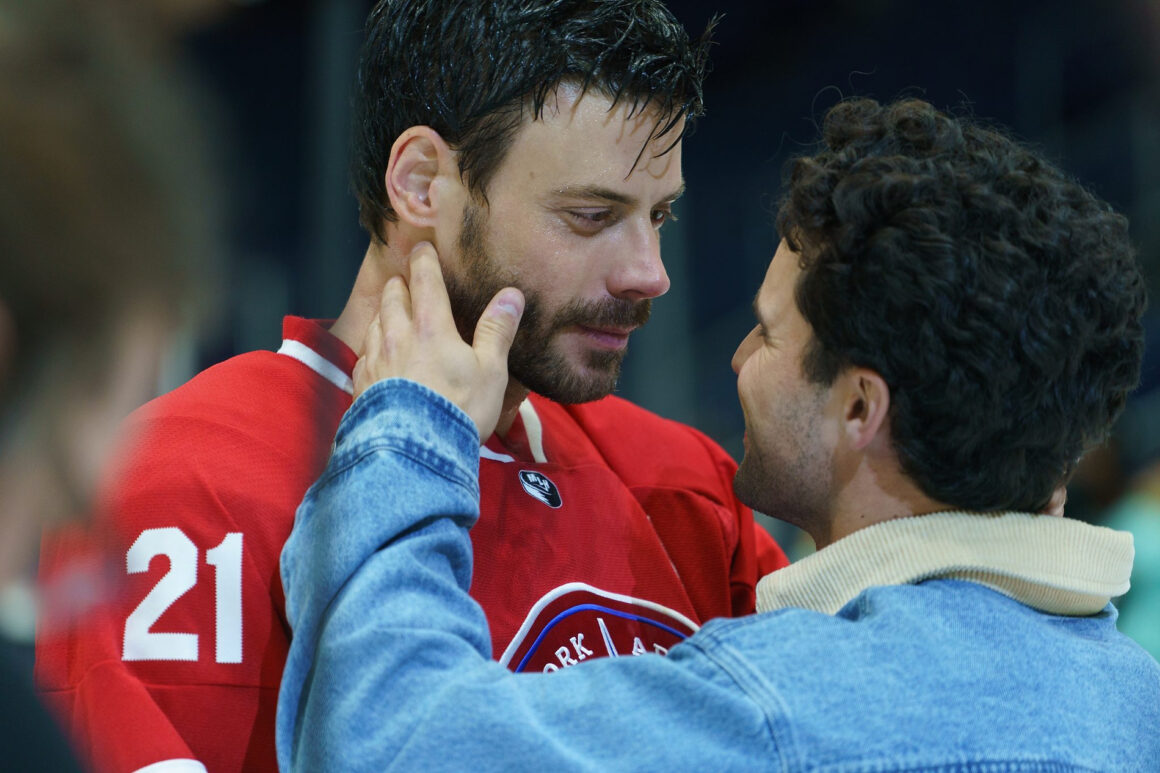
Why athletes are responding differently?
The cultural impact deepens when you look at who else is responding — particularly athletes who grew up inside the systems the show portrays.
Toronto-based PR executive Alex Marconi, who played hockey growing up, shared how deeply the series resonated with him.
ADVERTISEMENT |
“I spent my entire youth playing hockey in a hyper-masculine environment at a time when there was little to no visible representation of gay men — on the ice or on television,” Marconi says. “You learn to navigate those spaces instinctively: how to read people, how to anticipate perception, how to exist without drawing attention to parts of yourself that felt risky to reveal.”
What Heated Rivalry does, he explains, is challenge the idea that queer men — and queer athletes — are a monolith.
“The show moves beyond stereotypes and instead explores the internal experience — how we fear we might be seen, rather than how others see us. It reflects a reality I lived, where masculinity and queerness are not contradictions.”
ADVERTISEMENT |
That reflection stirred emotions he thought he’d long put away.
“Seeing that represented now would have changed everything for me. It’s important that the next generation won’t grow up without that visibility.”
The same sentiment surfaced publicly when former professional hockey player Jesse Kortuem shared his own coming-out story — crediting the show for giving him the courage to finally speak.
ADVERTISEMENT |
“Coming out in the 2000s did not feel like an option,” Kortuem wrote. “For a long time, the rink did not feel like a place where I could be all of me. I felt I had to hide parts of myself for far too long.”
These aren’t isolated reactions. They’re echoes.
I’d say that what makes Heated Rivalry feel so emotionally precise is that the repression isn’t just written — it’s embodied. Both leads have spoken about the physical toll of playing characters who are forced to stay closed off.
ADVERTISEMENT |
“There was this tension I would leave the set with,”
Connor Storrie, who plays Rozanov
“There was this tension I would leave the set with,” Connor Storrie shared. “Usually acting is cathartic. But this kind of tension — the kind that’s unsaid, not fully vulnerable — it builds discomfort. There’s no catharsis.”
ADVERTISEMENT |
Hudson Williams echoed that experience, describing how repression lived in the body. “My chest would feel constricted. Shane’s voice is constricted, his shoulders are rounded, he’s tense. His whole being is pushed down and stifled — and you feel it physically when you leave the set.”
It’s that attention to the internal — the unseen cost of silence — that makes the show resonate so deeply, especially with viewers who’ve lived some version of that restraint themselves.
“With the amount of cameras and attention…it creates a constant deer-in-the-headlights feeling,”
Hudson Williams, who plays Shane Hollander
“With the amount of cameras and attention these characters live under, it creates a constant deer-in-the-headlights feeling,” says Williams. “He’s always harbouring a secret, and that drives all the angst.”
The ripple effect
The show’s influence has stretched far beyond television.
From fashion week moments and luxury brand shoutouts, to recreated dishes from the show, unofficial cookbooks, smoothie recipes, and reaction videos across TikTok and Instagram — Heated Rivalry has seeped into culture in unexpected, joyful ways.
@oprahdaily A whole lotta love! 😍😍😍 #heatedrivalry #oprah #francoisarnaud ♬ original sound – Oprah Daily
When fashion, fame, and feeling collide
What’s been just as striking as the fandom is where the conversation has travelled. Heated Rivalry hasn’t only captured the attention of TV viewers — it’s landed squarely in the worlds of fashion and cultural tastemakers. When Oprah Winfrey is part of the broader conversation around a show’s impact, and Donatella Versace is engaging with the moment it represents, it’s a clear sign that this story has transcended its genre.
Fashion, after all, has always been a mirror of culture — and Heated Rivalry fits seamlessly into that reflection. Seeing Hudson Williams embraced by the fashion world, including moments tied to DSquared2 — a brand founded by Canadians and rooted in bold, unapologetic identity — feels less like coincidence and more like alignment. The same themes that drive the show forward — confidence, vulnerability, physicality, and self-possession — are the very qualities fashion responds to when something feels now.
When a hockey romance can move from the rink to the runway, from streaming platforms to front rows, from fan edits to conversations led by women like Oprah and designers like Donatella, it’s no longer just entertainment. It’s a signal. A reminder that stories rooted in authenticity don’t stay in one lane — they travel.
Even hockey itself has felt the shift
Podcasters are praising the show’s accuracy. Broadcasters are acknowledging how it’s introducing hockey to audiences who never felt invited in. Stadiums are playing scenes during live games. And league leadership has publicly admitted to binge-watching the series.
This is what it looks like when culture moves sideways — not top-down, not forced, not preachy. Just people connecting, sharing, and recognizing themselves in a story that finally feels expansive enough to hold them.
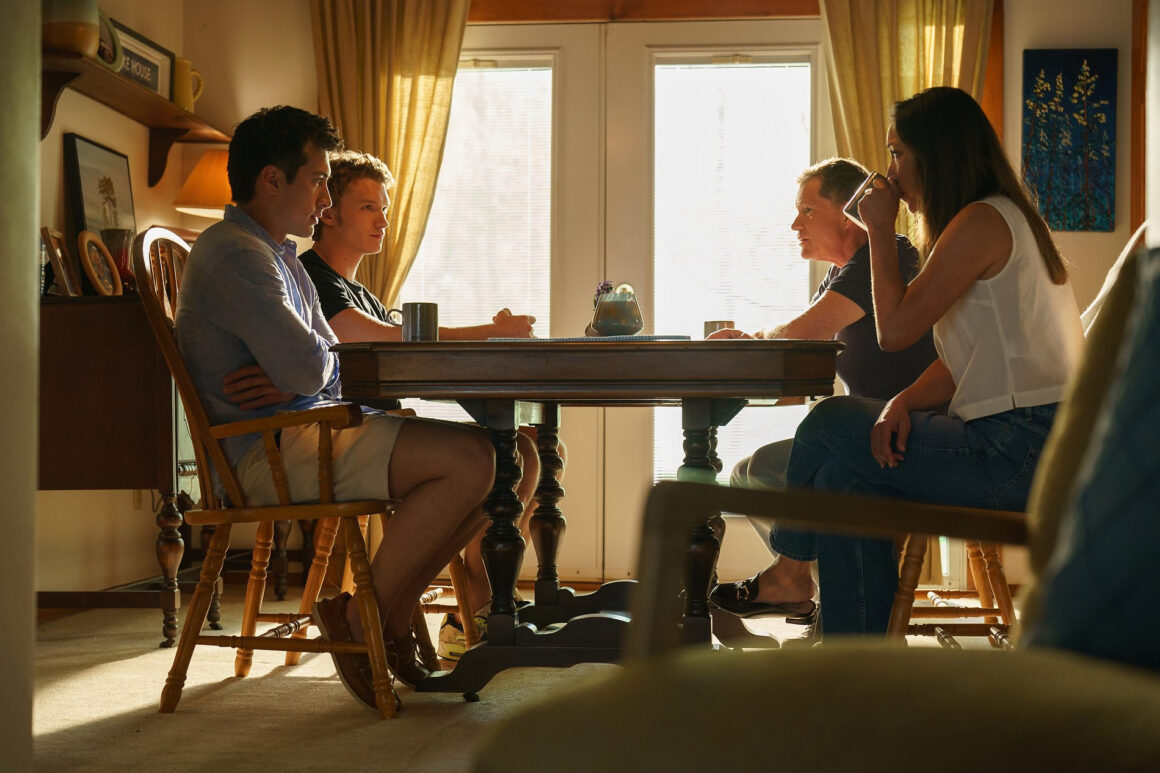
The part that broke me open
I’ve watched the series twice.
And the second time hit harder.
Not as an athlete — but as a once-closeted gay man.
There were moments that reopened memories I didn’t choose. Conversations I wasn’t ready for. Versions of myself I had to grow into too late. There was grief — for the emotional intelligence I didn’t have access to when I needed it most. For the kind of love that felt impossible back then, but feels real now.
And yet, there was hope.
Hope that young boys — not just gay boys, but all boys — will grow up with a broader emotional vocabulary. Hope that masculinity won’t feel like a narrow hallway with no exits. Hope that being straight won’t require hardness, and being gay won’t require explanation.
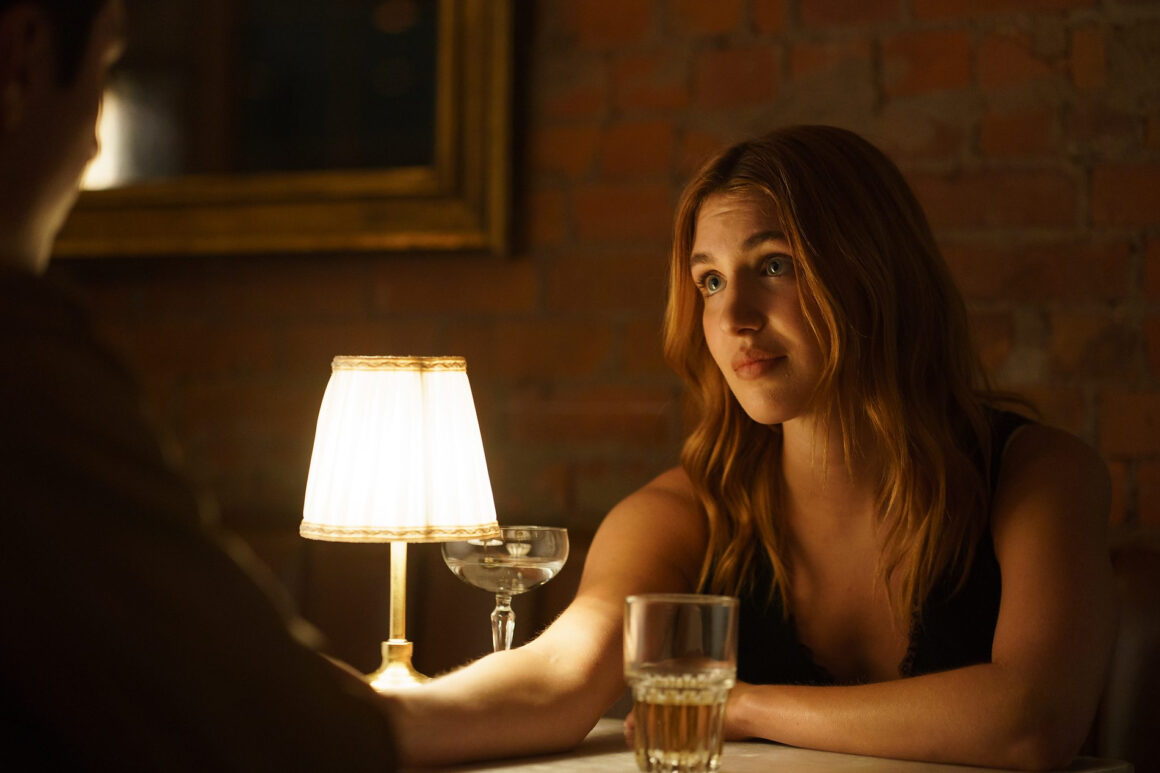
Why straight men and women matter in this moment?
This moment wouldn’t exist without them.
Women are embracing the love story — not as spectacle, but as romance. Encouraging their partners to watch. Watching alongside them. Celebrating tenderness instead of questioning it.
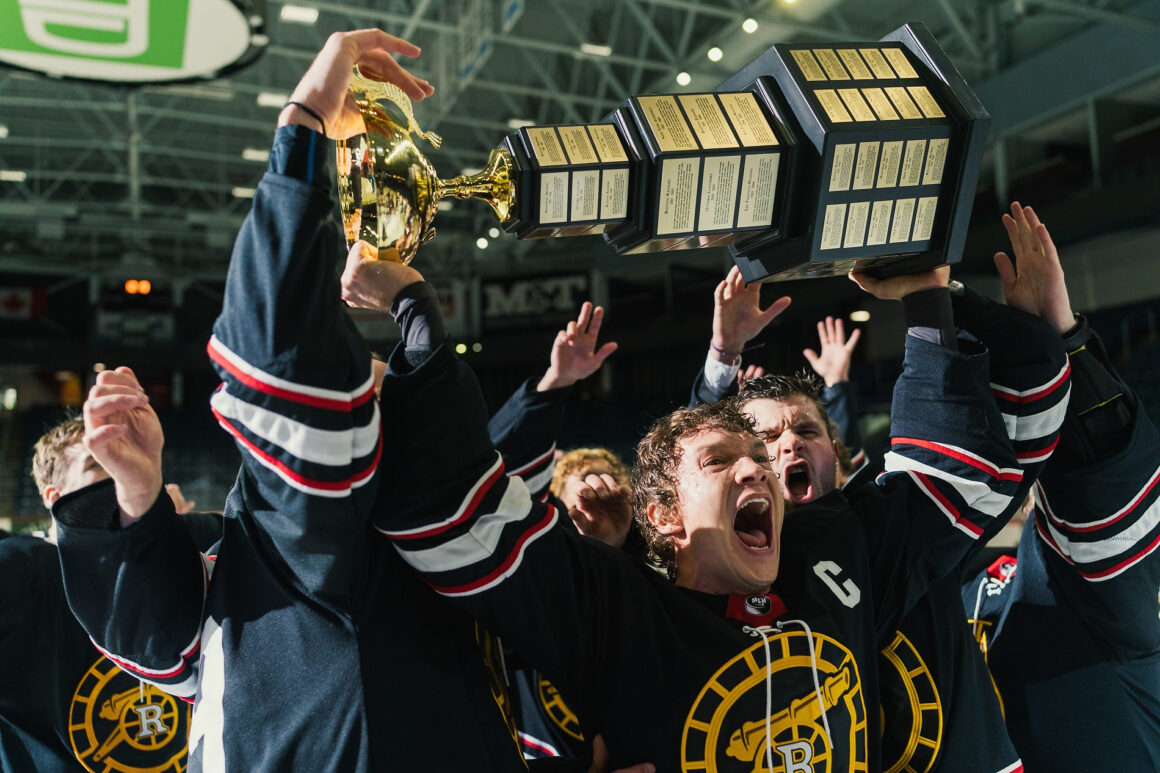
Straight men are showing up too — openly and authentically. Posting reaction videos. Talking about what moved them. Sitting with discomfort and coming out more empathetic on the other side.
Progress doesn’t happen in echo chambers. It happens when people outside the experience choose to engage anyway — not because they’re told to, but because something pulls them in.
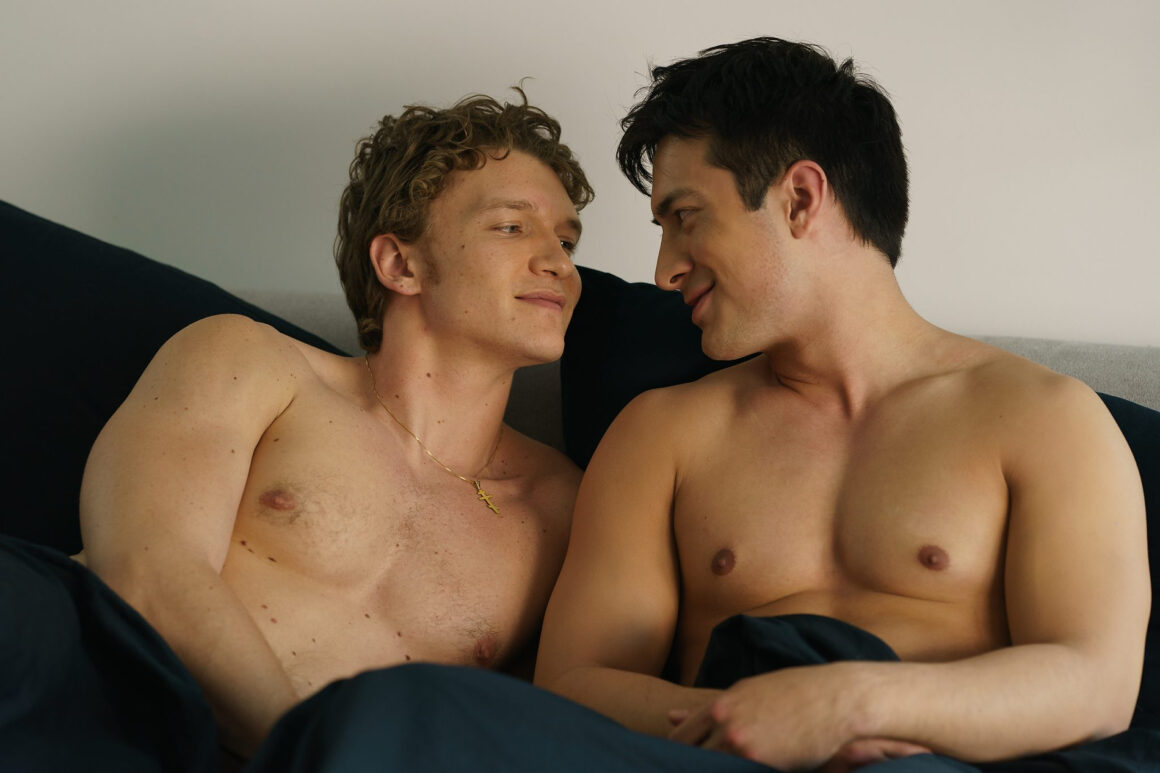
One step closer
We’re not there yet.
But we’re closer.
Closer to a world where boys don’t have to decide who they are before they’re safe enough to be it. Closer to sports culture that doesn’t demand silence as the price of belonging. Closer to a version of masculinity that makes room for softness without apology.
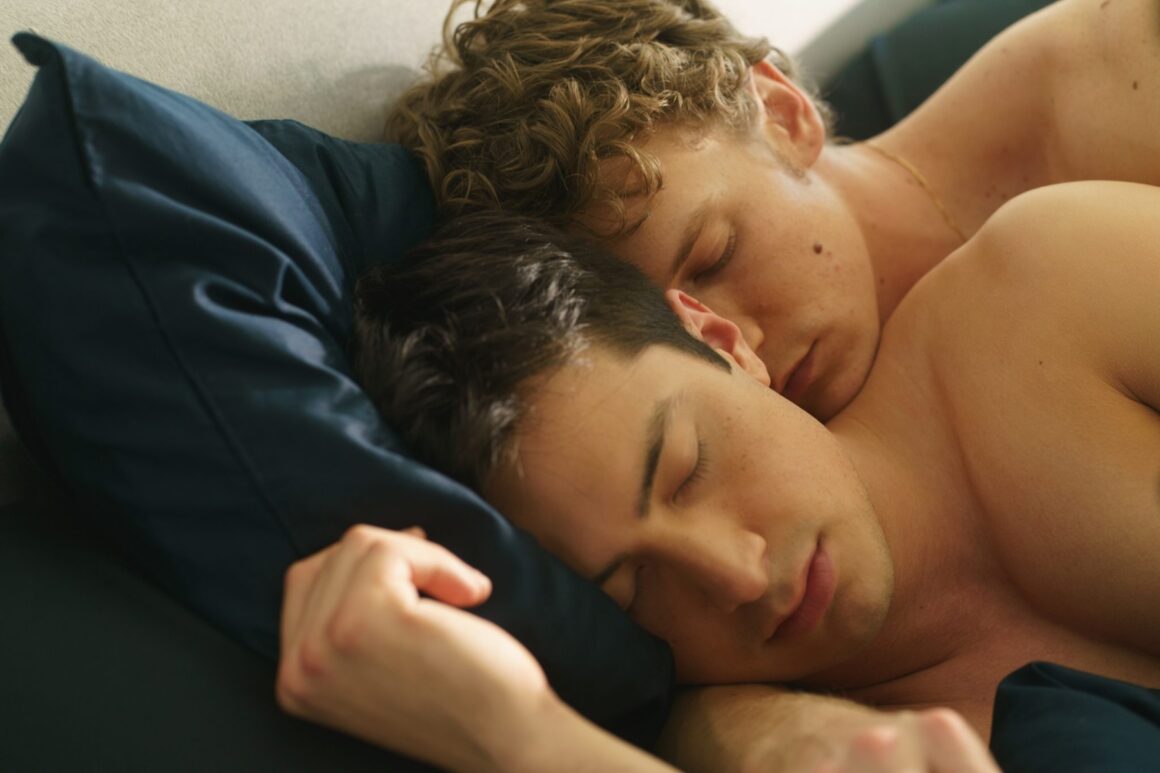
Heated Rivalry didn’t just go viral.
It didn’t just entertain.
It changed the conversation — and trusted us enough not to explain why that matters.
And for that, I’m grateful.
Jacob. The cast. The Crave team. Hudson. I want to talk. I have questions — and I want to share this story with our audiences, and beyond.
Signed,
A loyal fan.
A grateful viewer.
And someone who finally, feels seen.
— Steven Branco
PS. Kudos Jacob Tierney, and team. Thank you for making Canada so proud to be leading this truly game changing cultural moment.
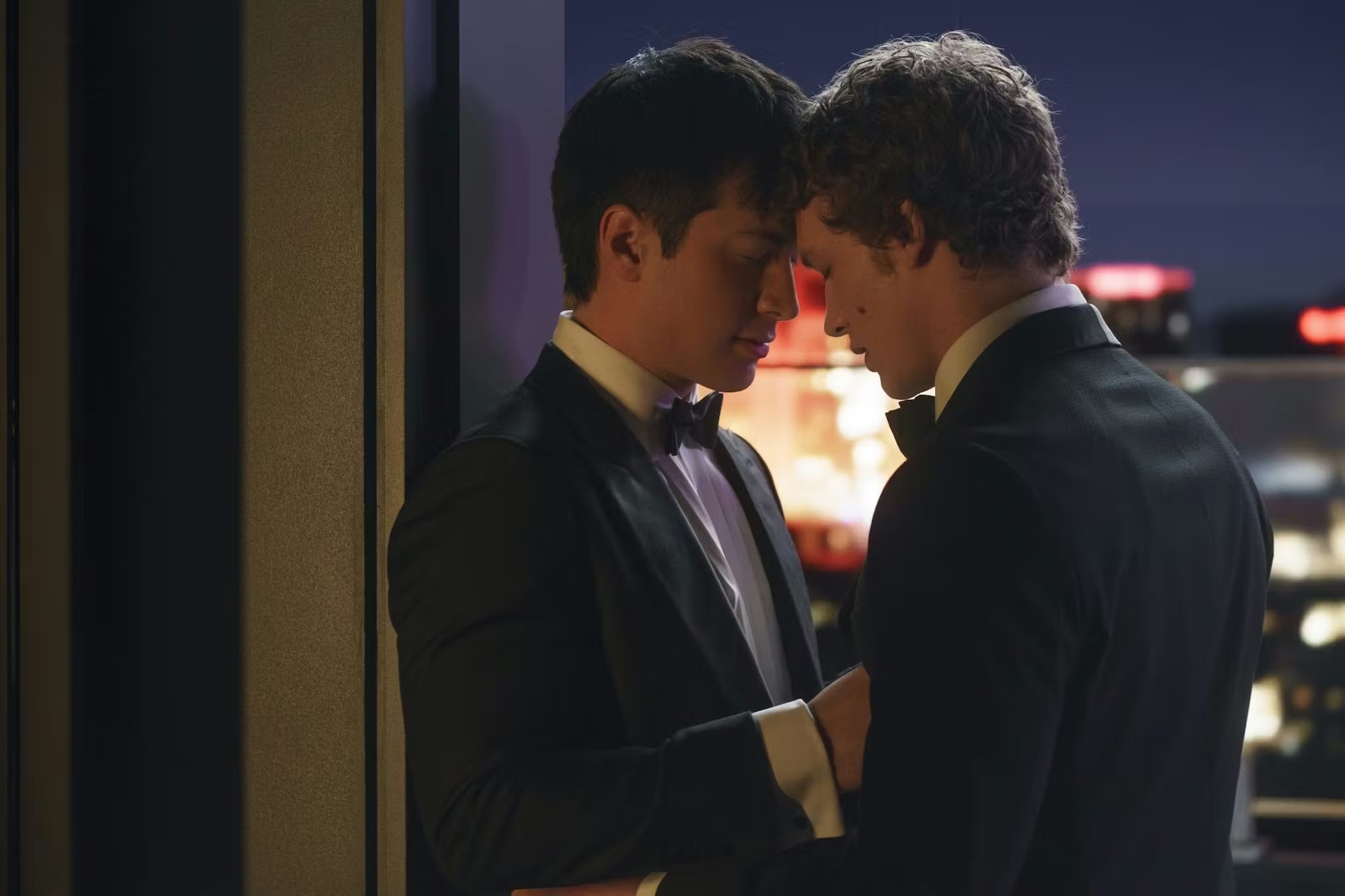
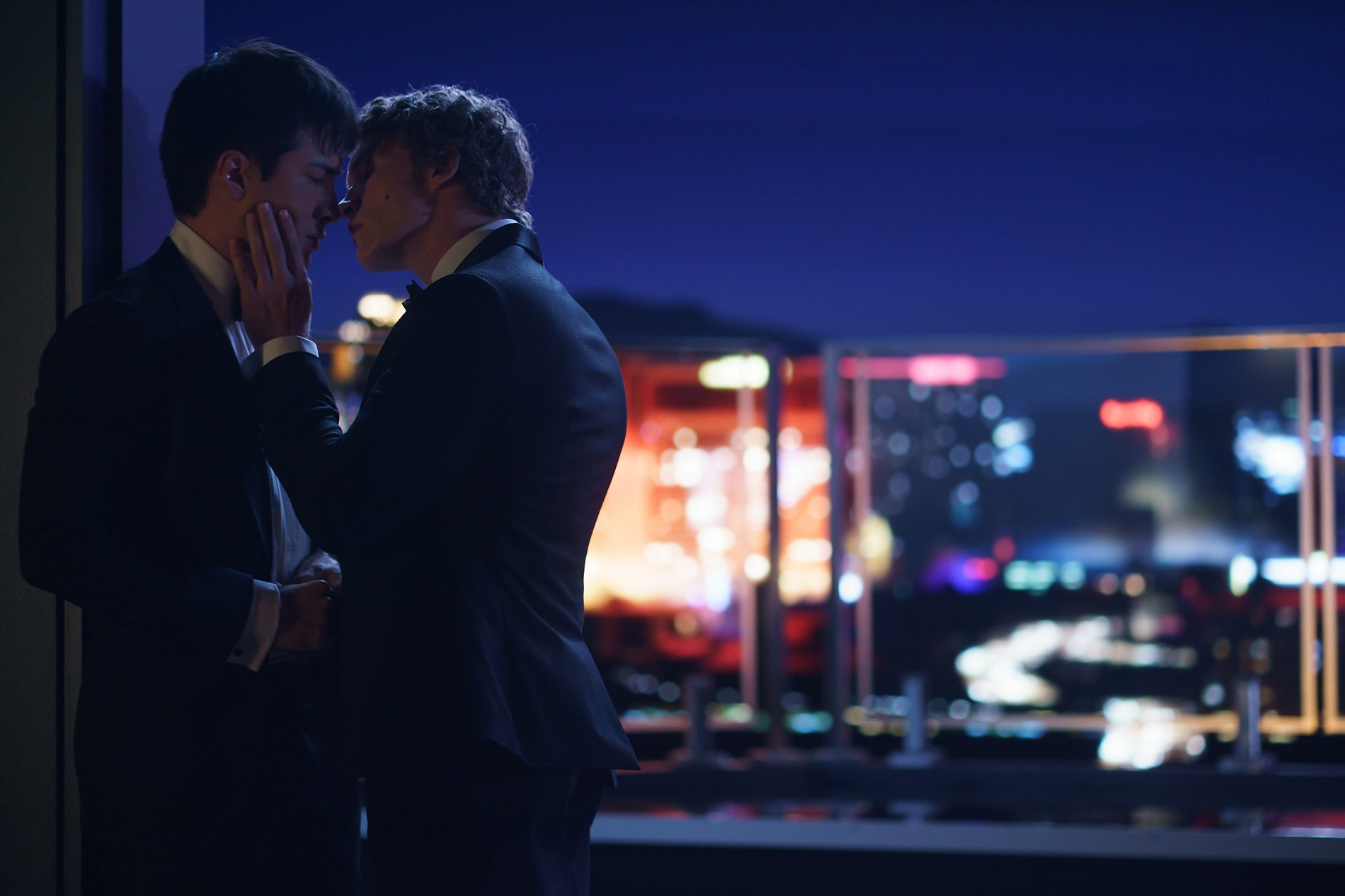
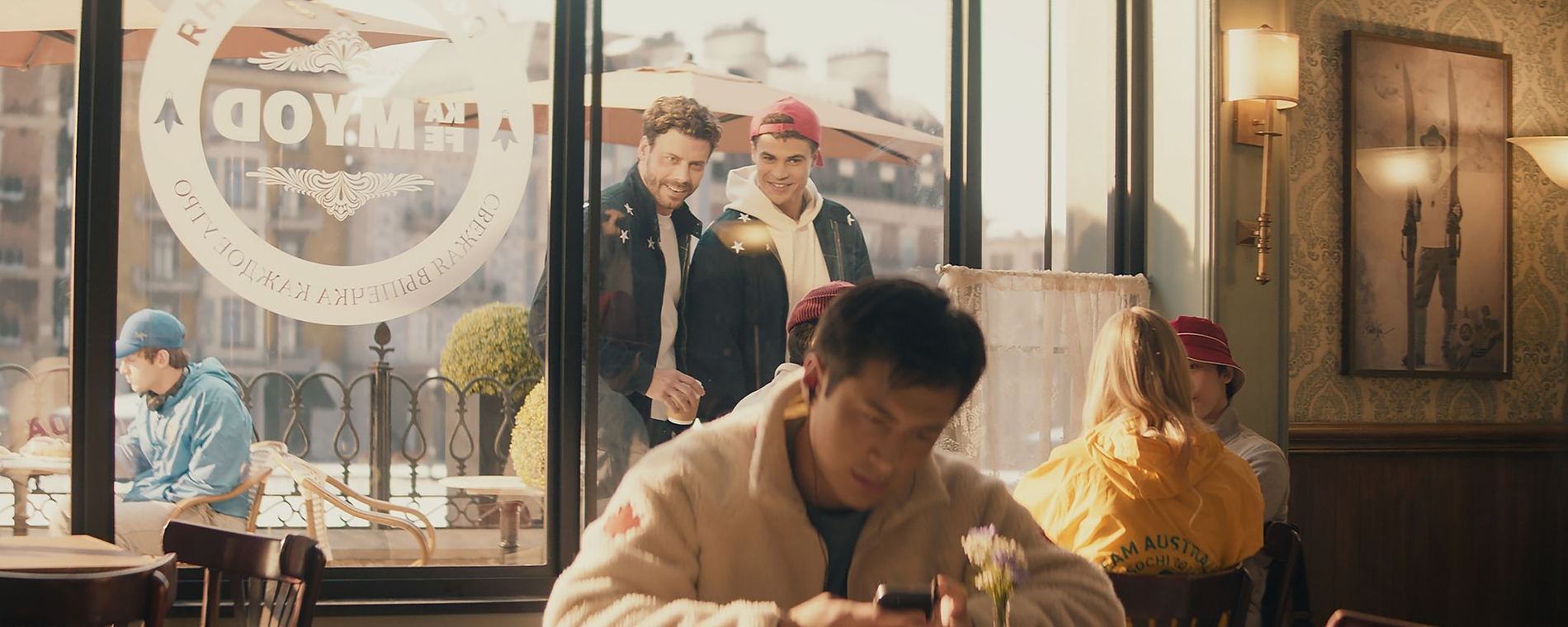
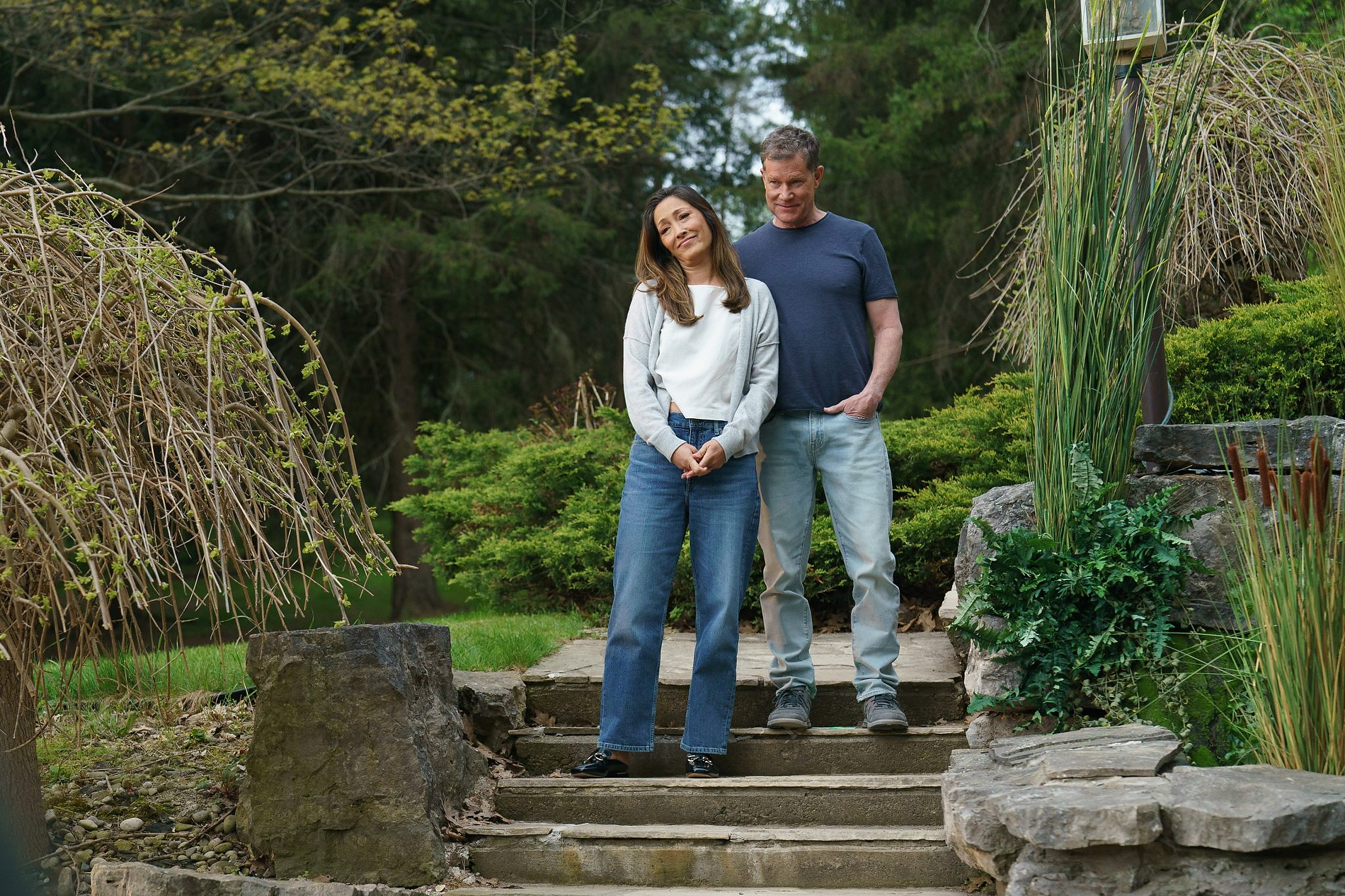
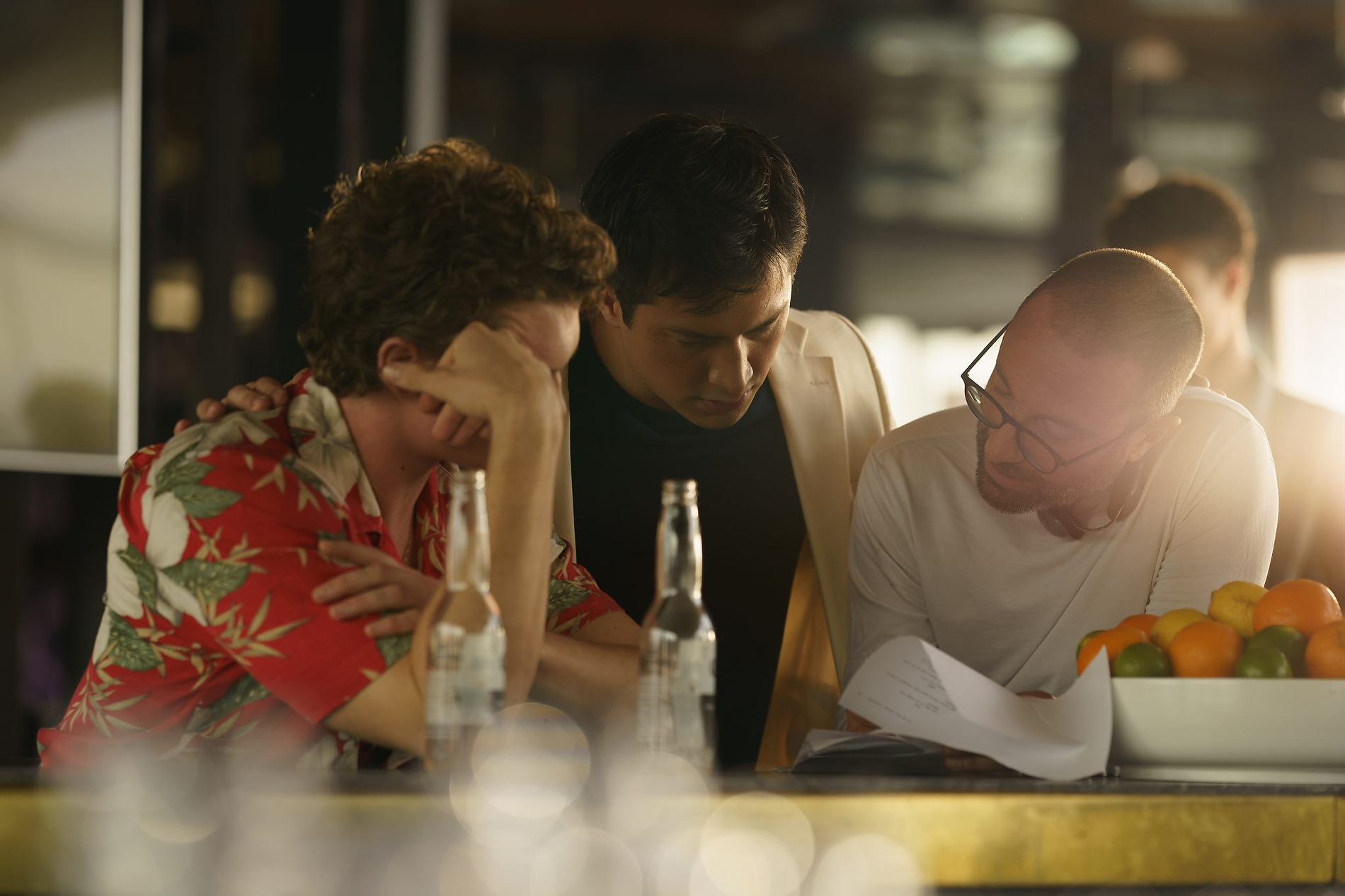
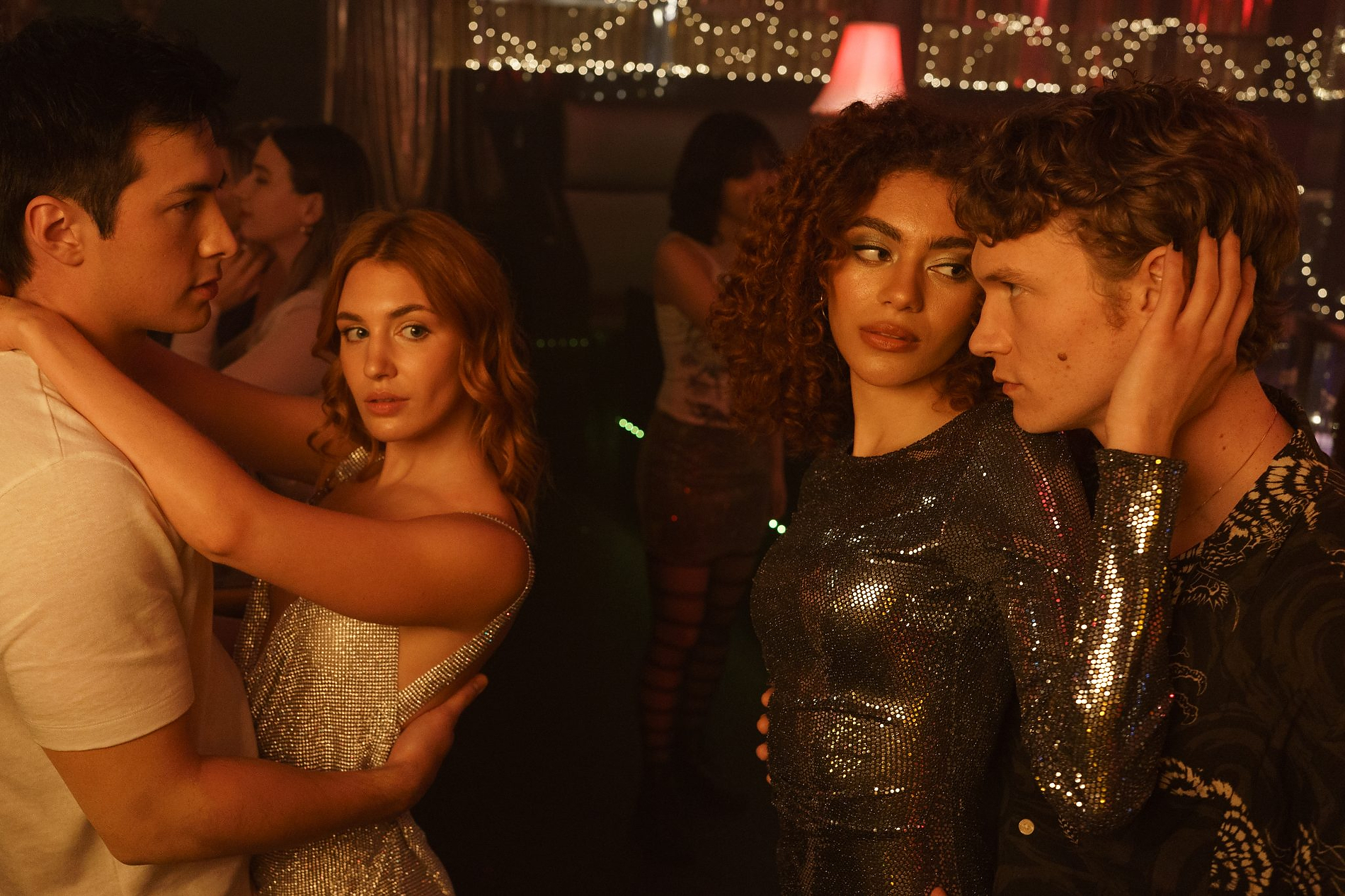
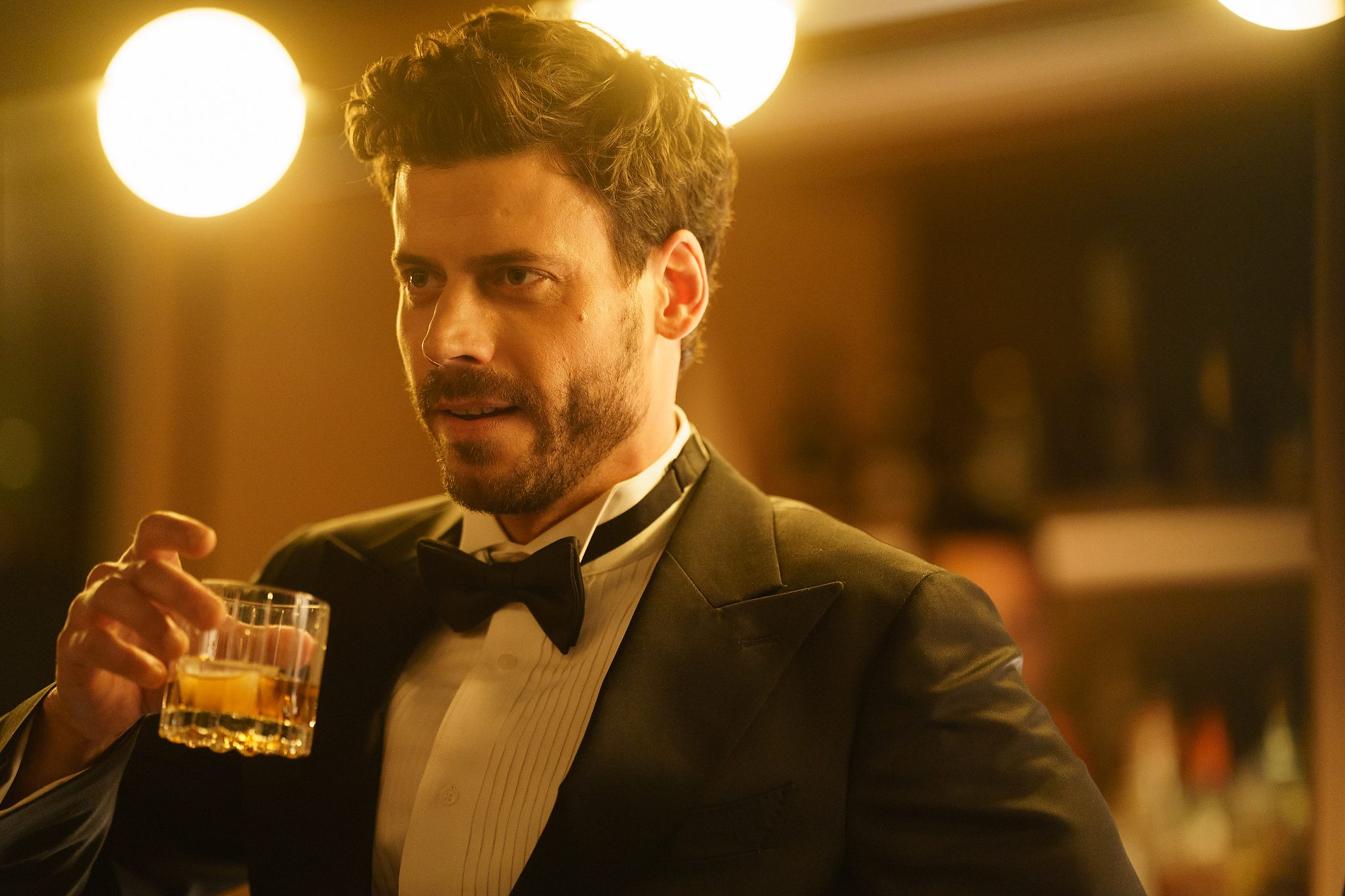
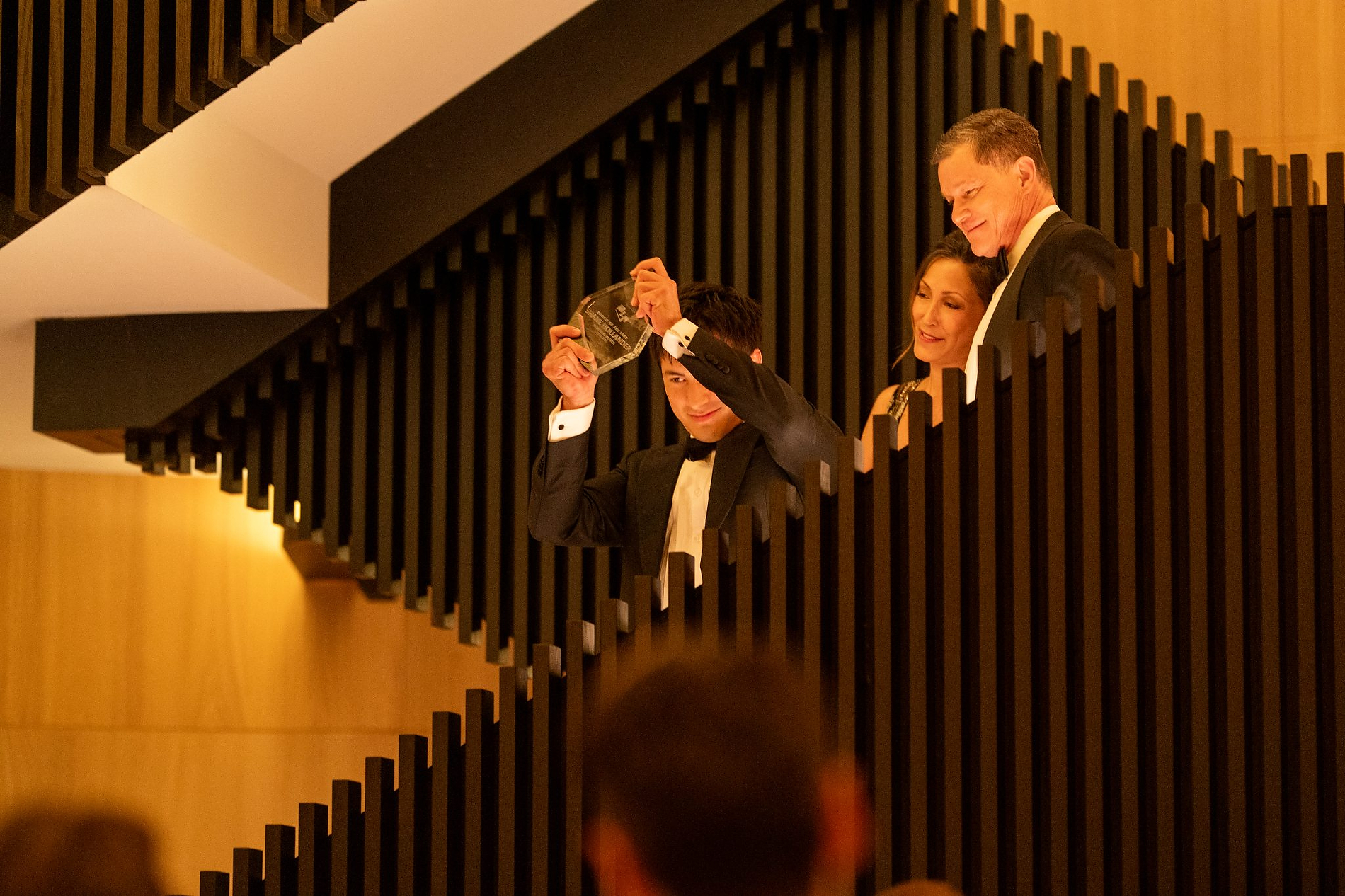
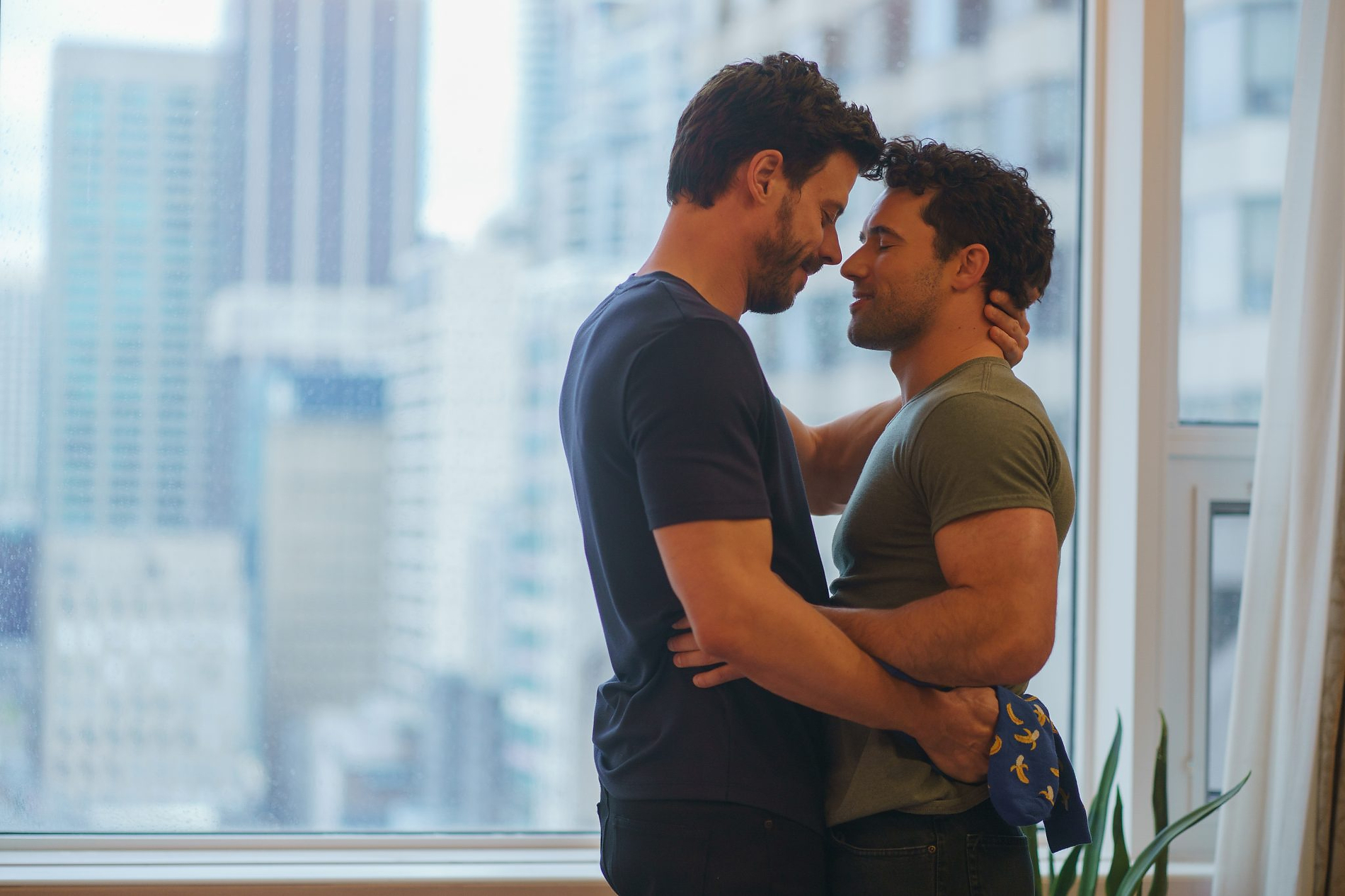
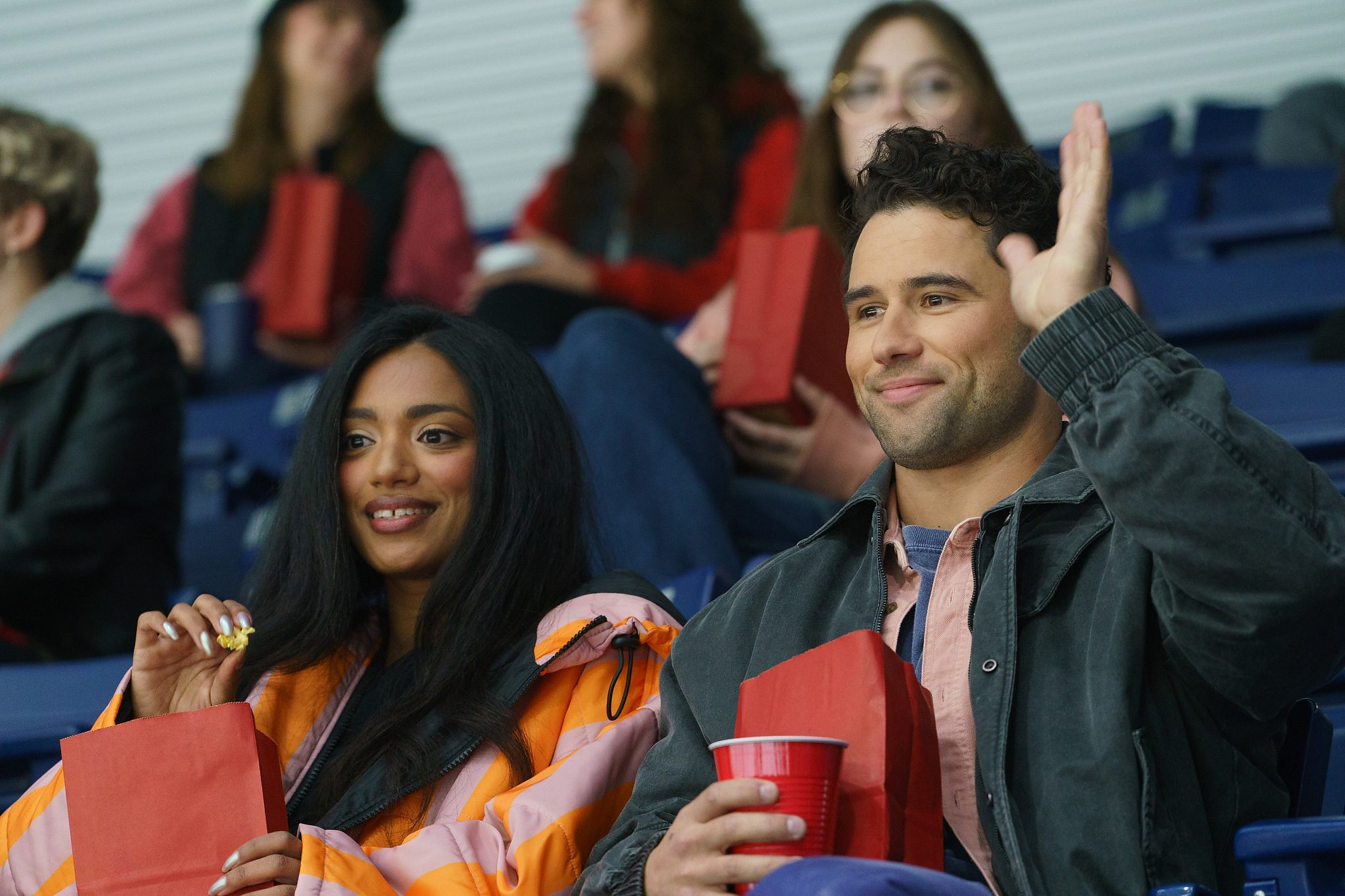
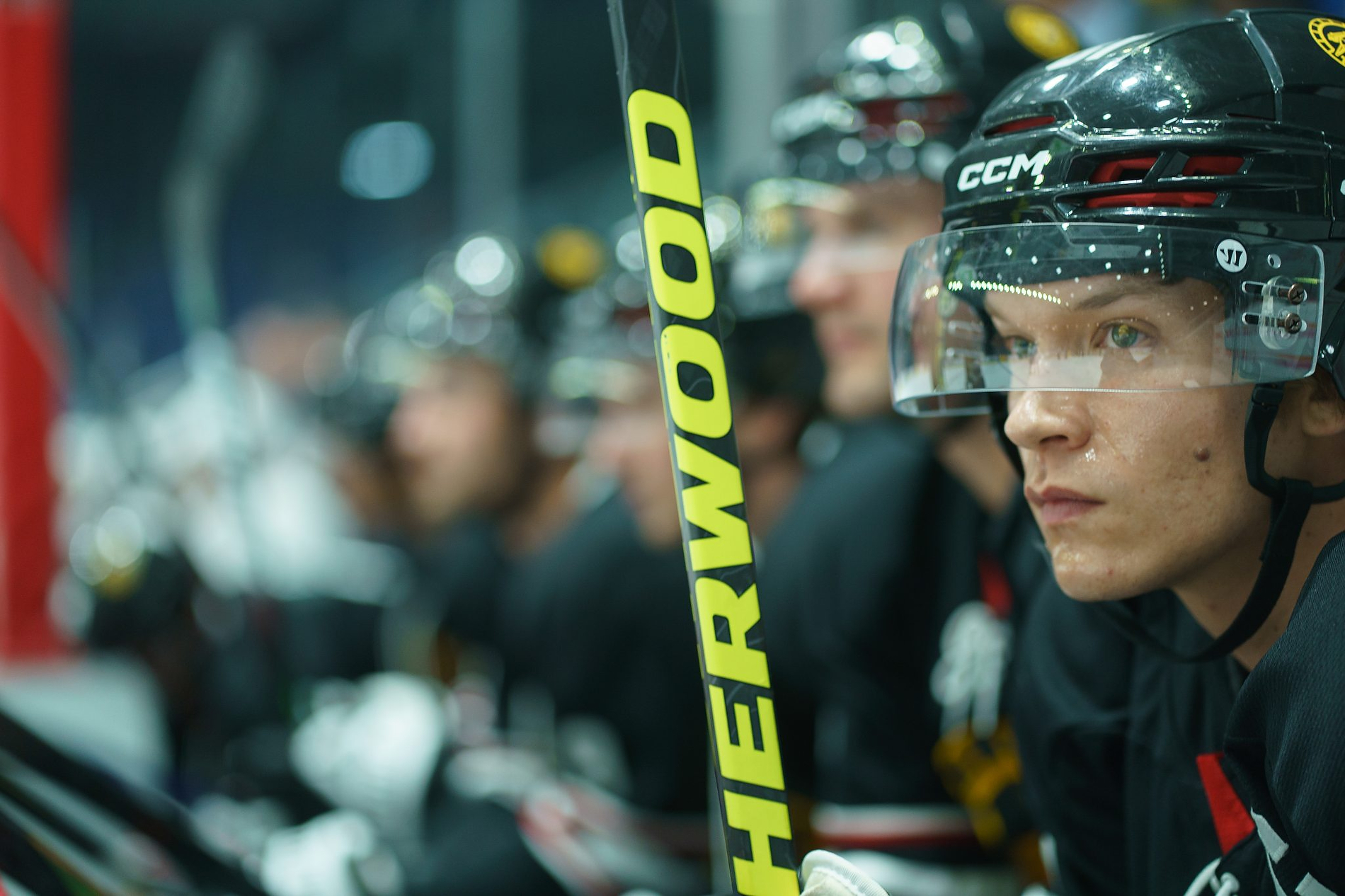
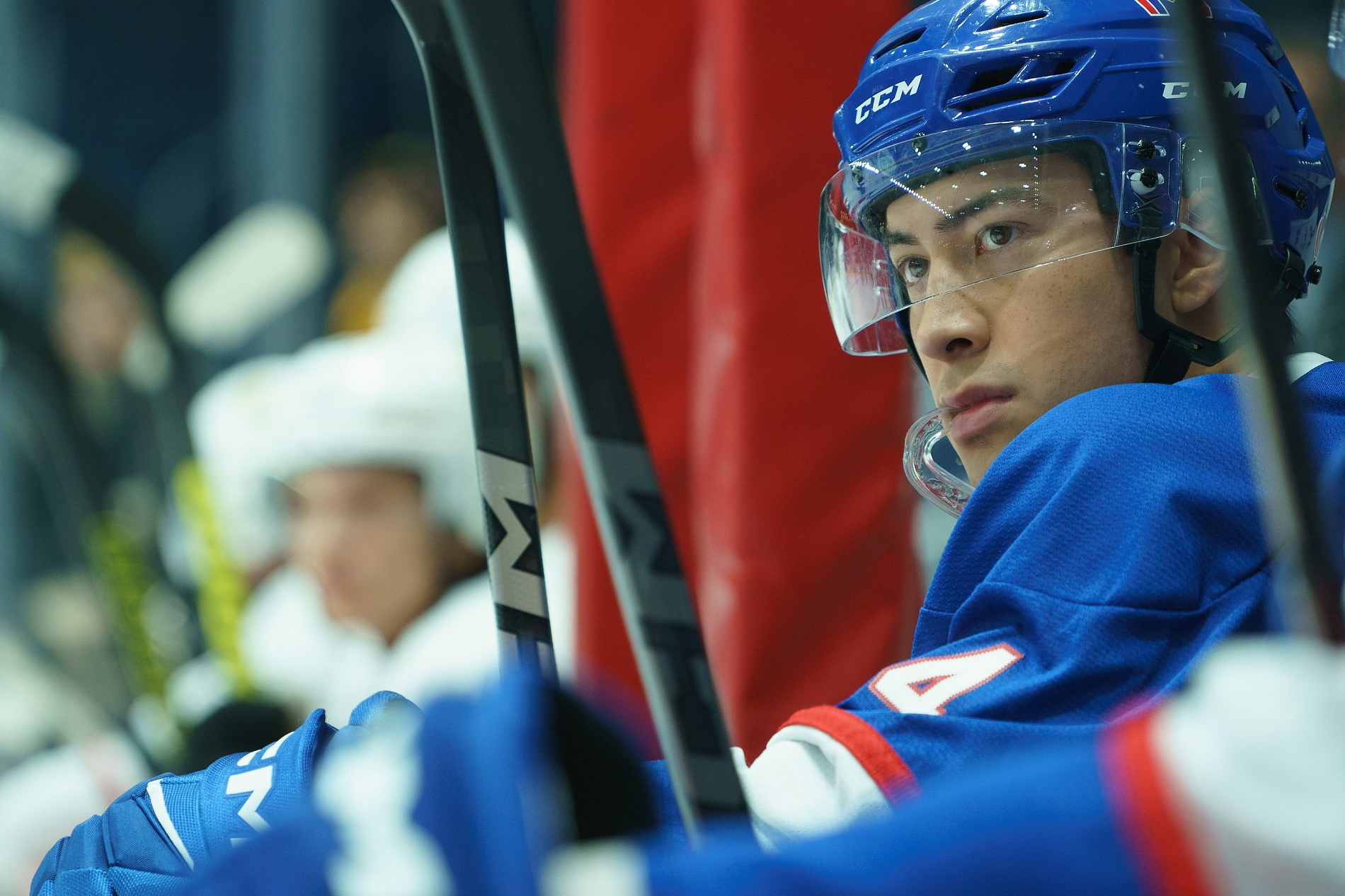
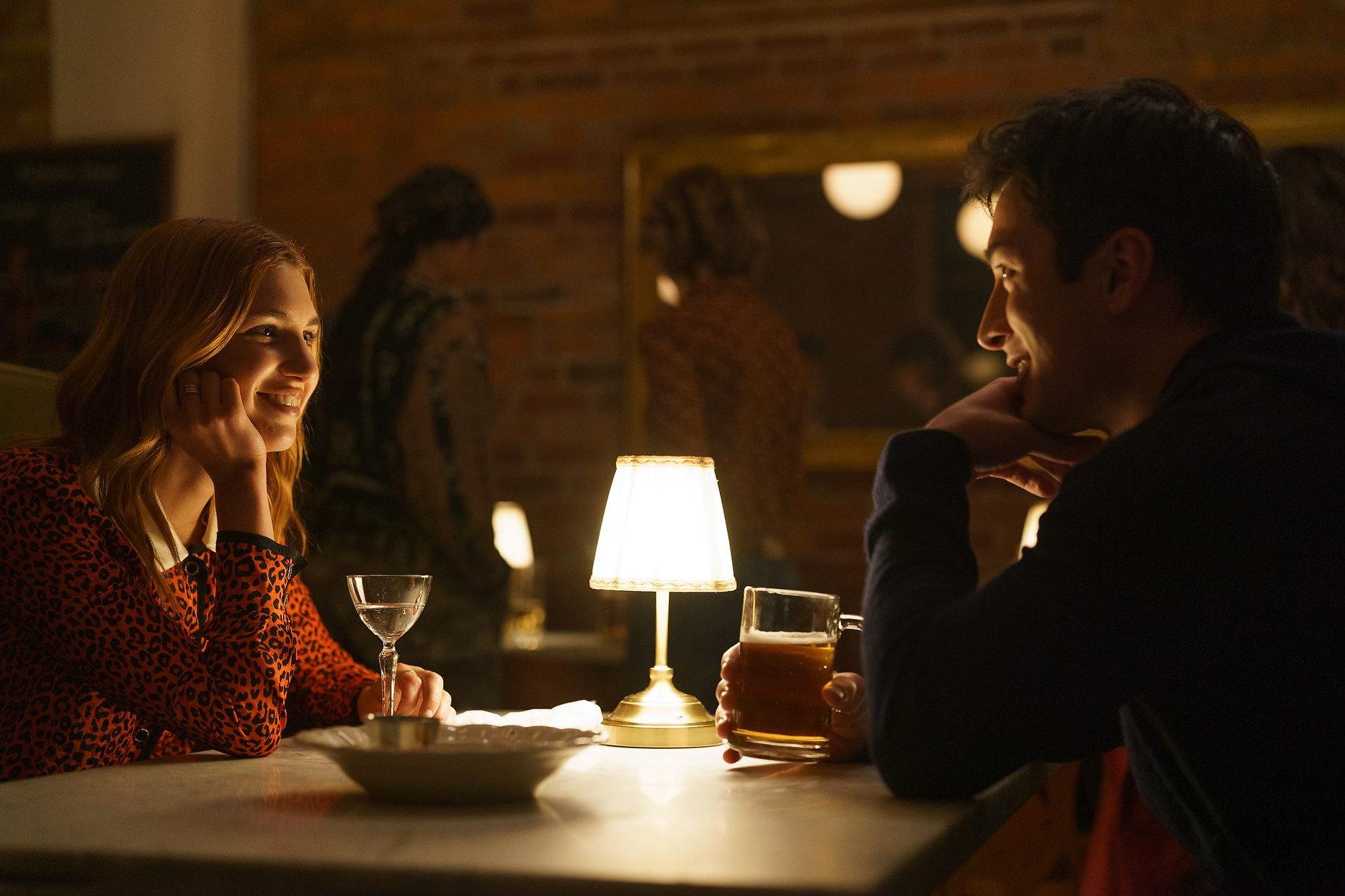
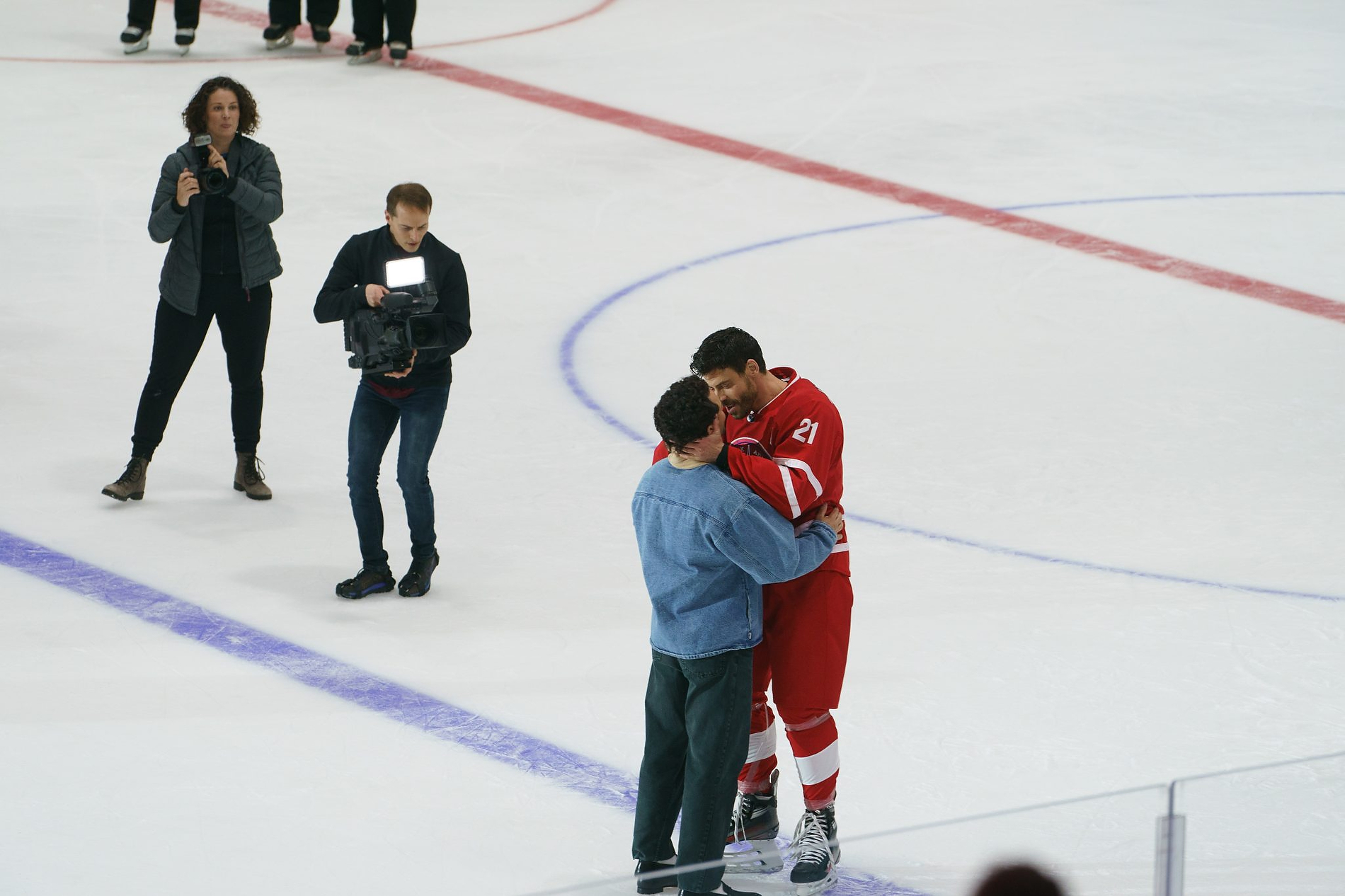
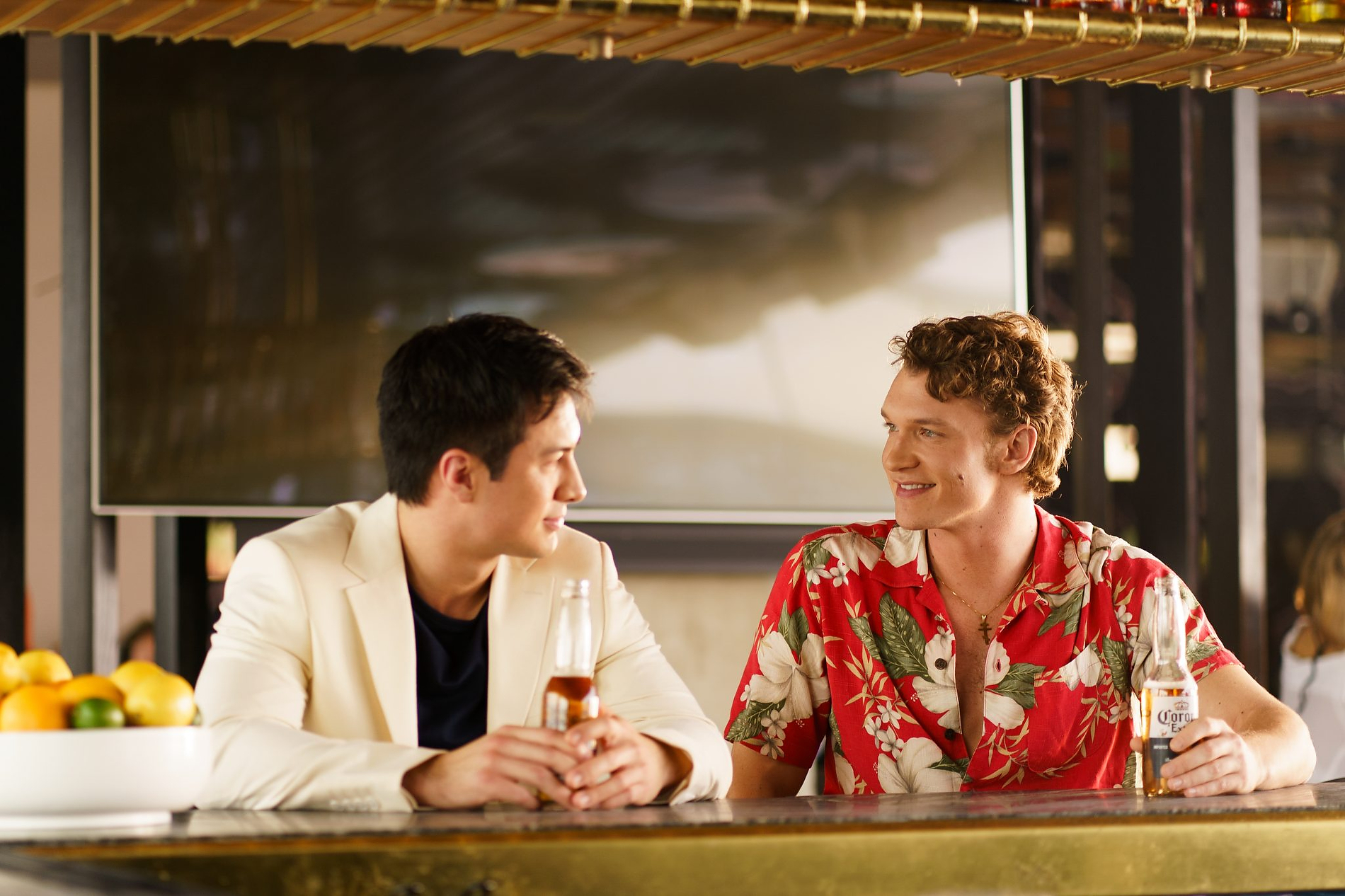
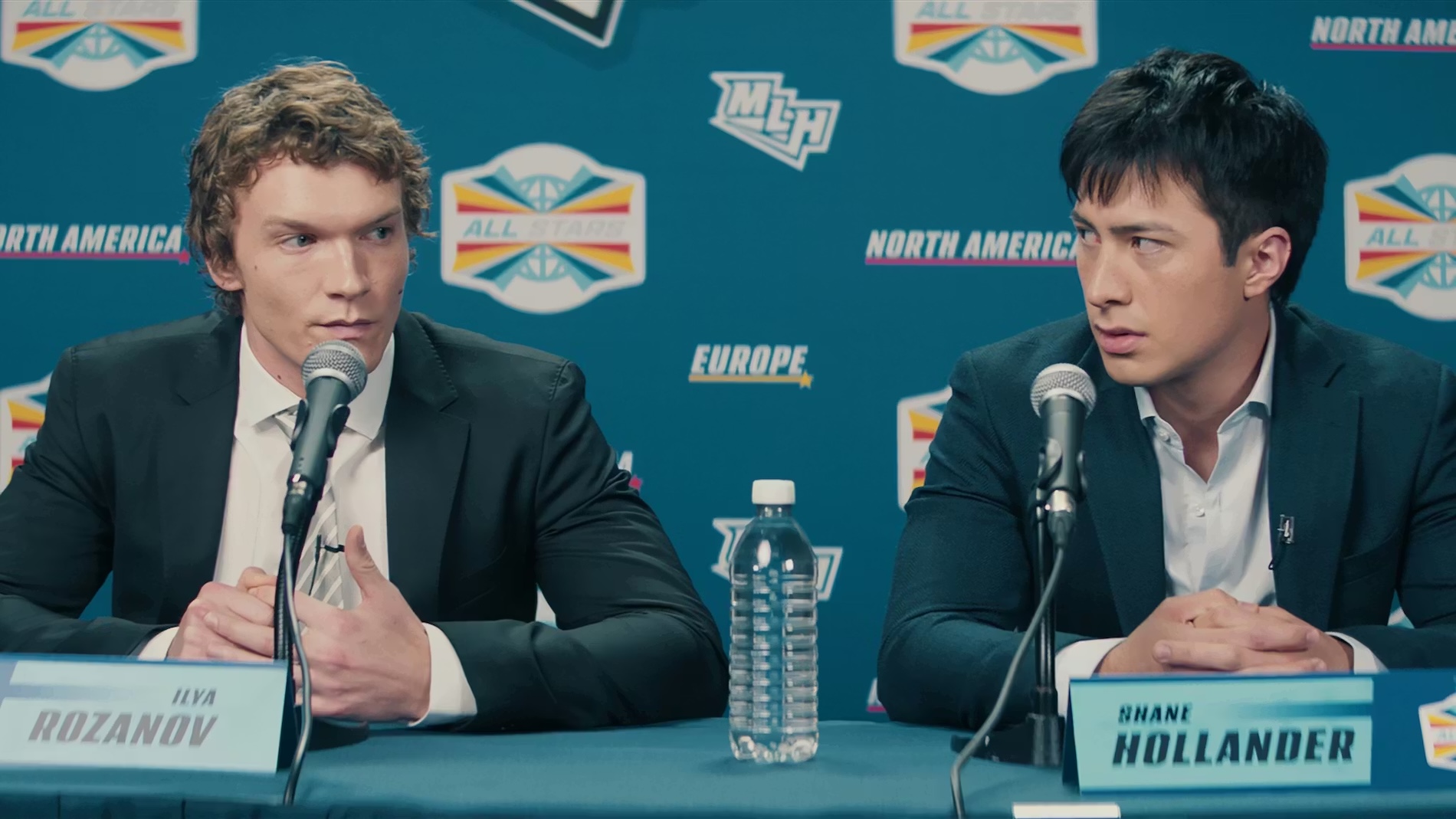
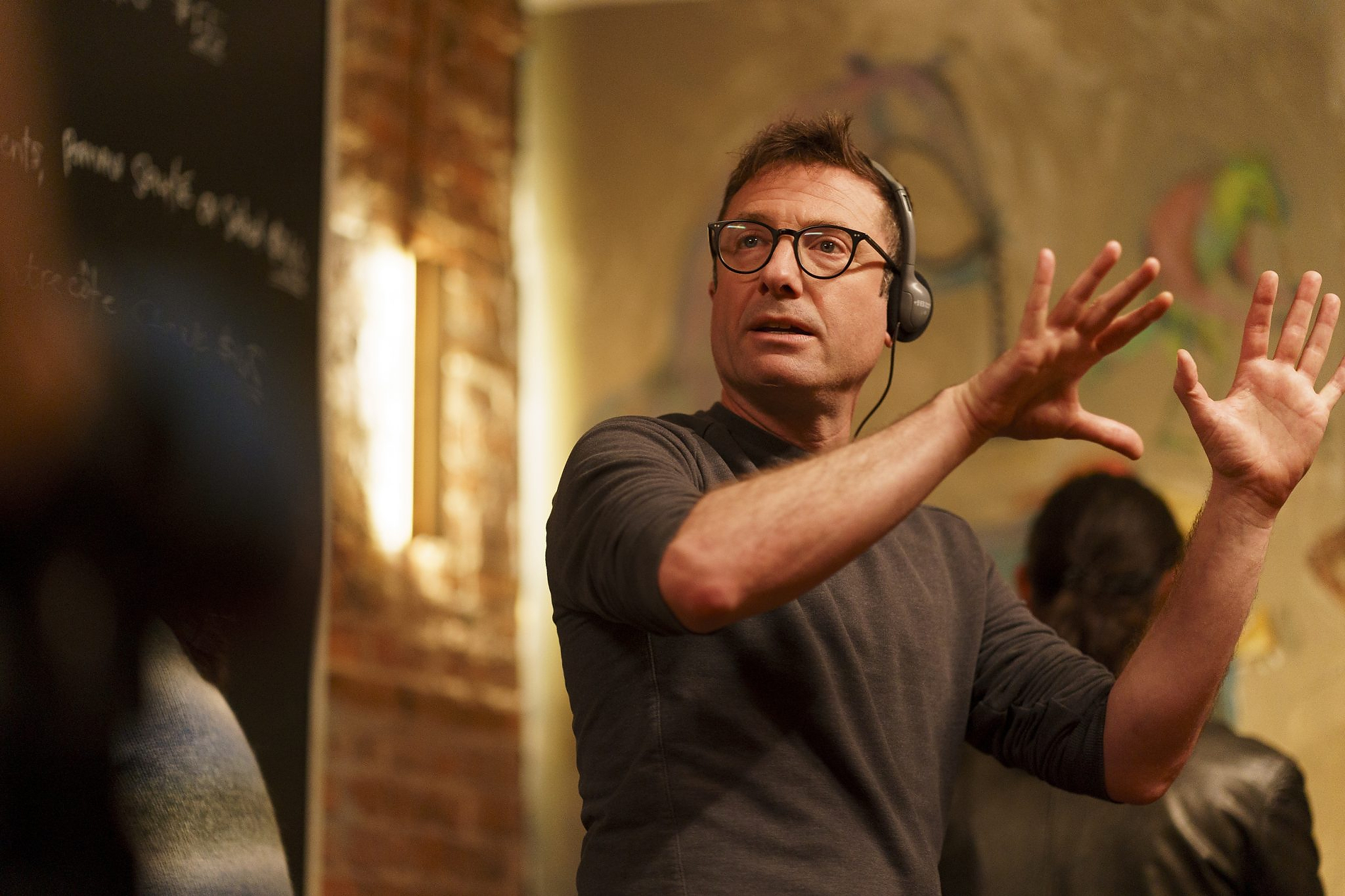
Photo gallery of scenes from Heated Rivalry and BTS shots on set:

Where can you stream Heated Rivalry?
Heated Rivalry is a Crave Original series, streaming exclusively on Crave in Canada. The series has since been acquired internationally, streaming on HBO Max in the U.S. and Australia, Movistar Plus+ in Spain, and Sky in New Zealand — a clear signal of the global demand for premium Canadian storytelling.
Global distribution is led by Sphere Abacus, which has emerged as the primary international distributor of Bell Media’s owned distribution rights following Bell Media’s acquisition of a majority stake in the company earlier this year. The move positions Heated Rivalry as part of a broader strategic push to expand the international footprint of Canadian original content.
The series was created by Jacob Tierney and produced in partnership with Accent Aigu Entertainment. It is adapted from Rachel Reid’s bestselling Game Changers book series, long praised for its emotionally rich and authentic portrayal of queer relationships within professional hockey culture.